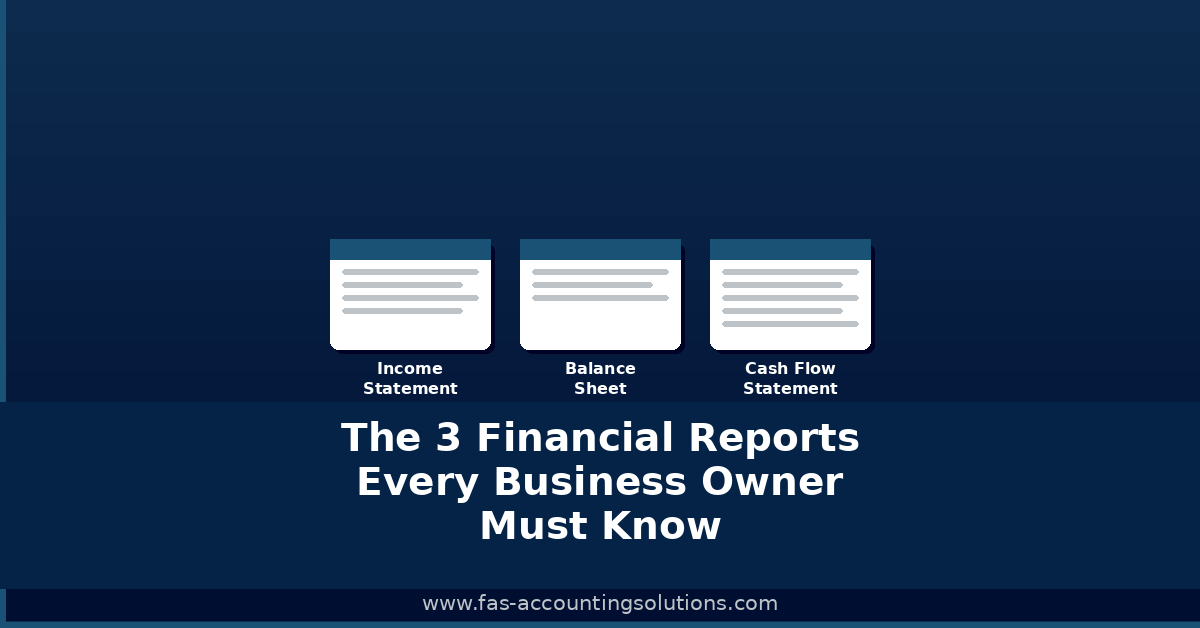
The Profit & Loss Statement — most people call it a P&L — is one of those documents that business owners nod at in meetings but rarely fully understand. And that’s a problem, because your P&L is telling you your business’s story every single month.
Introduction
The good news: once you know what you’re looking at, a P&L is actually straightforward. No accounting degree required. Let’s walk through it together.
What Is a P&L Statement, Exactly?
A Profit & Loss Statement summarizes your business’s revenues, costs, and expenses over a specific period — usually a month, a quarter, or a year. Its purpose is to show you whether your business made a profit or a loss during that time.
Think of it like a movie: the income statement shows you how the story unfolded from the beginning (revenue) to the end (net profit or loss). Every line in between is part of that journey.
The Three Numbers You Must Understand
Revenue is the total amount of money your business brought in. Every sale, every invoice paid, every service fee — it all adds up to your top-line revenue. This is before any expenses are deducted.
Gross Profit is what’s left after you subtract the direct costs of delivering your product or service (called Cost of Goods Sold, or COGS). If you sell handmade furniture for $2,000 and the wood and hardware cost you $600, your gross profit is $1,400. Your gross profit margin would be 70%.
Net Profit (or Net Income) is the bottom line — what’s left after ALL expenses have been paid. This includes your rent, salaries, marketing, software, insurance, and any other overhead. A positive number means you made money. A negative number means you spent more than you earned.
Line Items to Watch Like a Hawk
Gross Profit Margin: Calculate this as (Gross Profit ÷ Revenue) × 100. If this percentage is falling month over month, your costs are growing faster than your revenue — a red flag.
Operating Expenses: Look for anything that’s trending up without a clear business reason. Subscriptions that auto-renewed? A spike in advertising spend that didn’t drive revenue?
Owner’s Compensation: Make sure you’re paying yourself appropriately. Many owners undercount their own pay, which creates a misleadingly rosy profit picture.
Red Flags Hiding in Plain Sight
Revenue looks great but profit is thin: This usually means your costs are too high or your pricing is too low. Time to look at your margins.
Large swings month to month: Inconsistency is a warning sign. It could mean seasonal patterns (normal) or unpredictable expenses (not normal).
Expenses growing faster than revenue: If your revenue grows 10% but expenses grow 20%, you’re moving in the wrong direction.
Comparing Month-to-Month and Year-Over-Year
One P&L in isolation tells you very little. The power comes from comparison. Month-to-month comparison shows you trends and seasonal patterns. Year-over-year comparison shows you real growth (or decline) after accounting for seasonality.
Most accounting software (QuickBooks, Xero, FreshBooks) can generate these comparison views automatically. If you’re not using this feature, start today.
Your Action Steps
Pull your P&L right now — for this month and the same month last year. Calculate your gross profit margin for both. Is it the same? Higher? Lower? Look at your top 5 expense categories. Have any increased significantly? Check your net profit trend over the last 6 months. Is it improving, stable, or declining?
If the answers to any of these questions concern you, that’s not a bad thing — that’s exactly the kind of insight a P&L is supposed to give you. And it’s also the perfect reason to have a conversation with your accountant.