It’s one of the most counterintuitive things in business: a company can be profitable — genuinely making money on paper — and still run out of cash and close its doors.
Introduction
This isn’t a rare edge case. It’s one of the leading causes of small business failure. And the frustrating part? Owners often don’t see it coming because they’re watching their profit number and feeling good about it.
Let’s break down the difference between profit and cash flow, why it matters, and — most importantly — what you can do about it.
Profit vs. Cash Flow: What’s the Difference?
Profit is an accounting concept. It’s calculated by subtracting your expenses from your revenue over a period of time. If you invoiced $80,000 last month and your expenses were $60,000, your profit is $20,000.
Cash flow is simpler — it’s the actual money moving in and out of your bank account. If that $80,000 invoice hasn’t been paid yet, your bank account doesn’t reflect that profit. You might have $5,000 in the bank while showing $20,000 in profit.
That gap — between profit on paper and cash in hand — is where businesses get into trouble.
Real Example: Profitable But Broke
Imagine a small construction company that lands a $200,000 contract in October. The project wraps up in December, but the client pays net-60 — meaning payment arrives in February.
Meanwhile, the company paid its crew, bought materials, and covered overhead all through October, November, and December. Profitable? Yes. Able to make payroll in January? Potentially not.
This scenario plays out in service businesses, product businesses, and seasonal businesses every single day.
The Cash Conversion Cycle
The cash conversion cycle measures how long it takes your business to turn investments (in inventory, labor, or materials) into actual cash received. The shorter the cycle, the healthier your cash position.
To shorten your cycle: invoice immediately upon delivery, offer early payment incentives, tighten your payment terms, and push for deposits or retainers upfront.
5 Strategies to Improve Cash Flow Starting This Week
Require deposits. For any project over a set dollar threshold, require 25–50% upfront. This immediately improves your cash position and filters out clients who aren’t serious.
Shorten your payment terms. Net-30 is standard, but Net-15 or even Net-7 is increasingly common, especially for repeat clients. Just ask.
Invoice the moment work is done. Every day between delivery and invoicing is a day you’re not getting paid. Build the habit of same-day invoicing.
Follow up on overdue invoices immediately. Create a system — a friendly reminder at day 5, a firmer one at day 15, a formal notice at day 30.
Build a cash reserve. Aim for 1–3 months of operating expenses in a separate account. This is your buffer against the gaps.
Final Thoughts
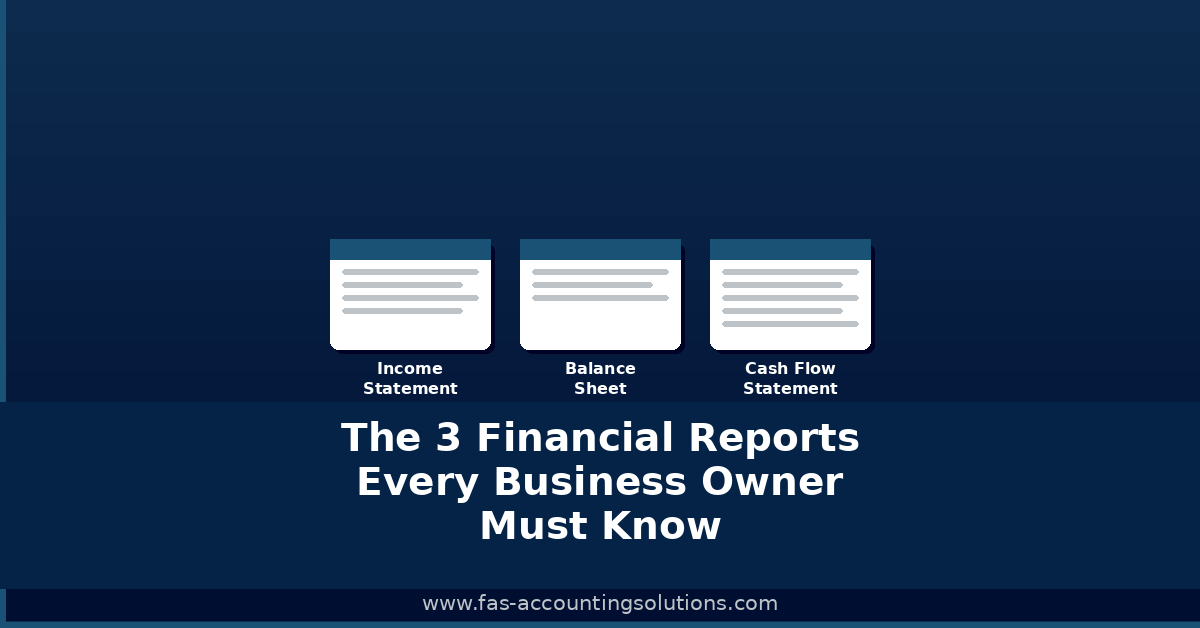
Profit tells you if your business model works. Cash flow tells you if your business survives. You need both. Start monitoring your cash flow statement monthly alongside your P&L, and you’ll never be caught off guard by a gap between what you’ve earned and what you actually have.